
Føniks
2025.09.09 09:42
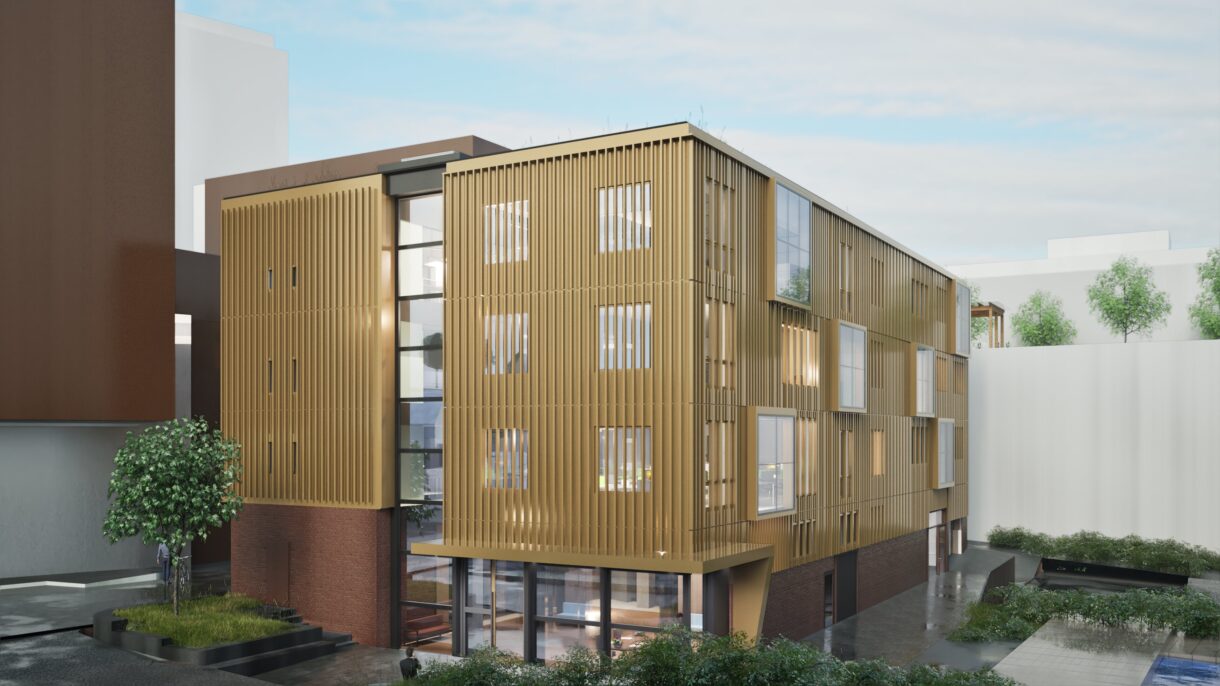
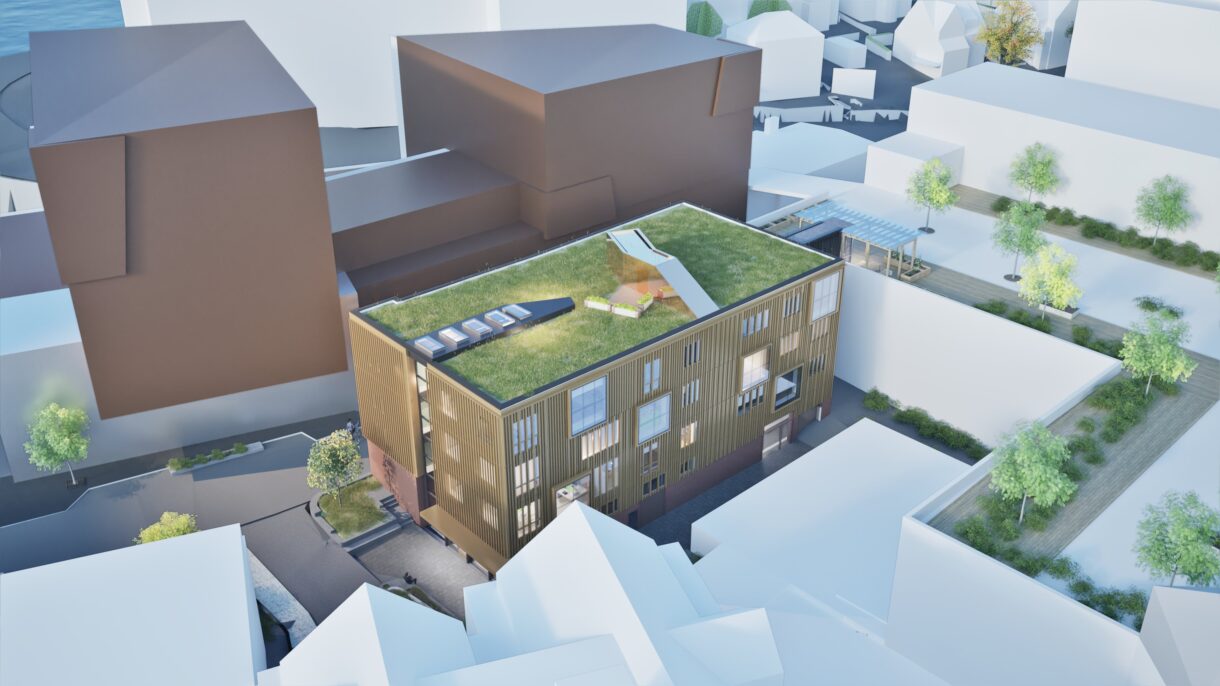
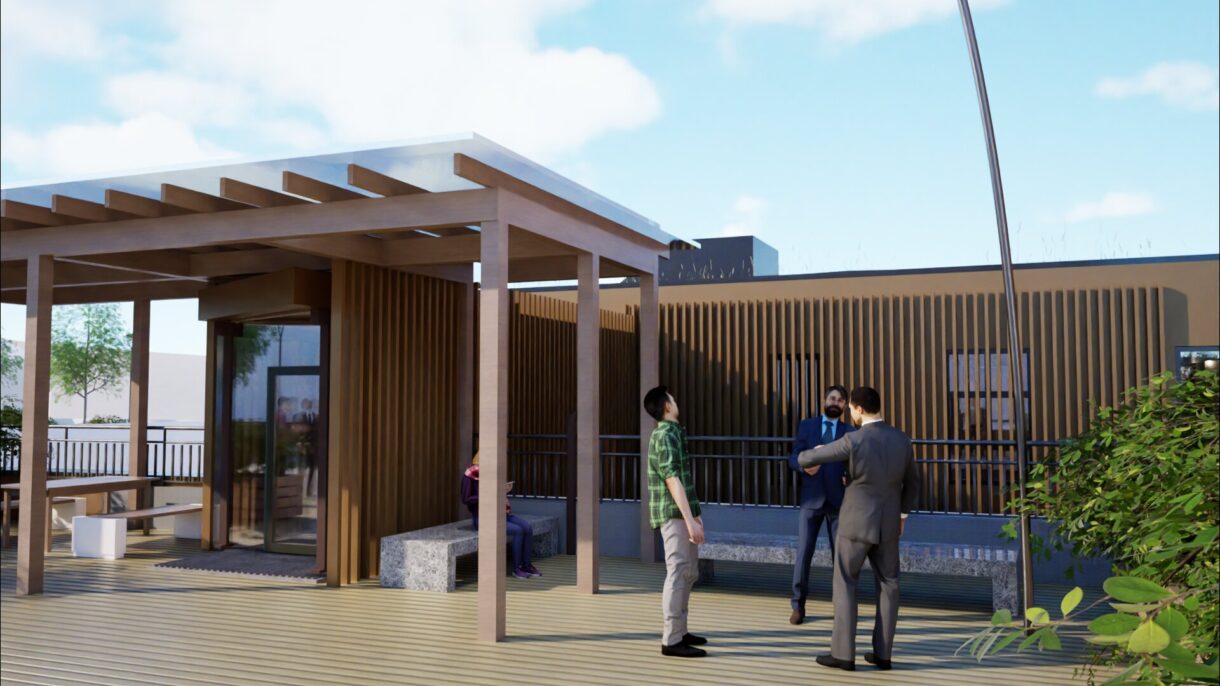
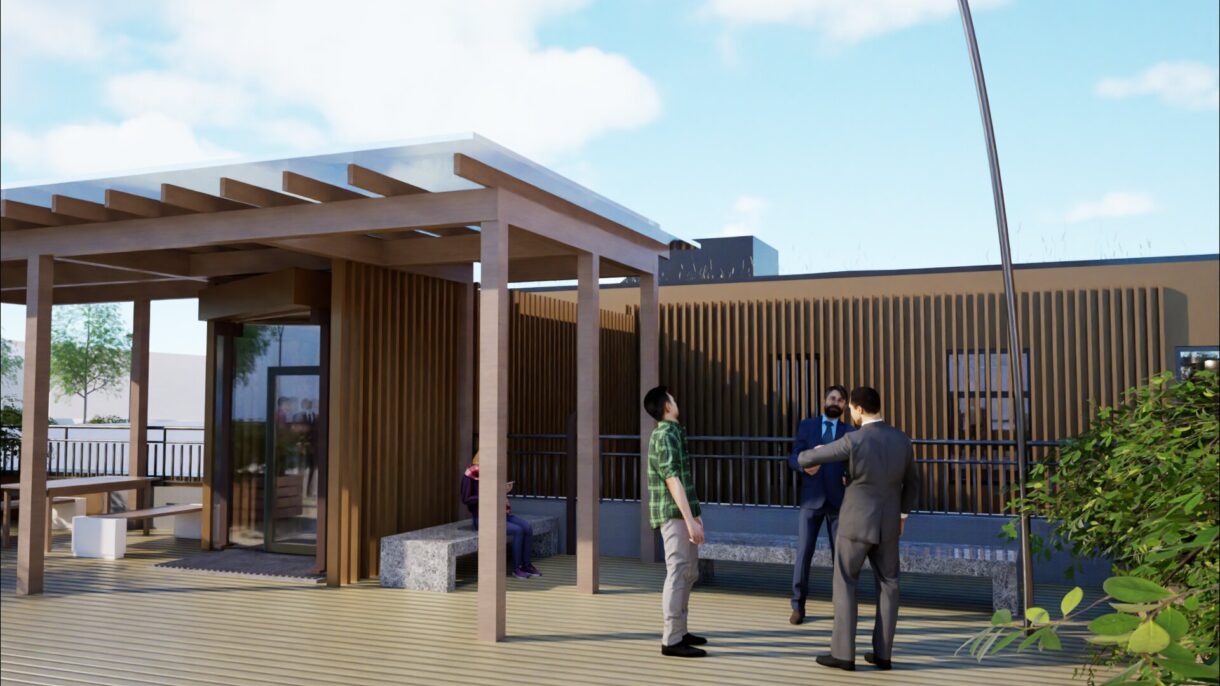
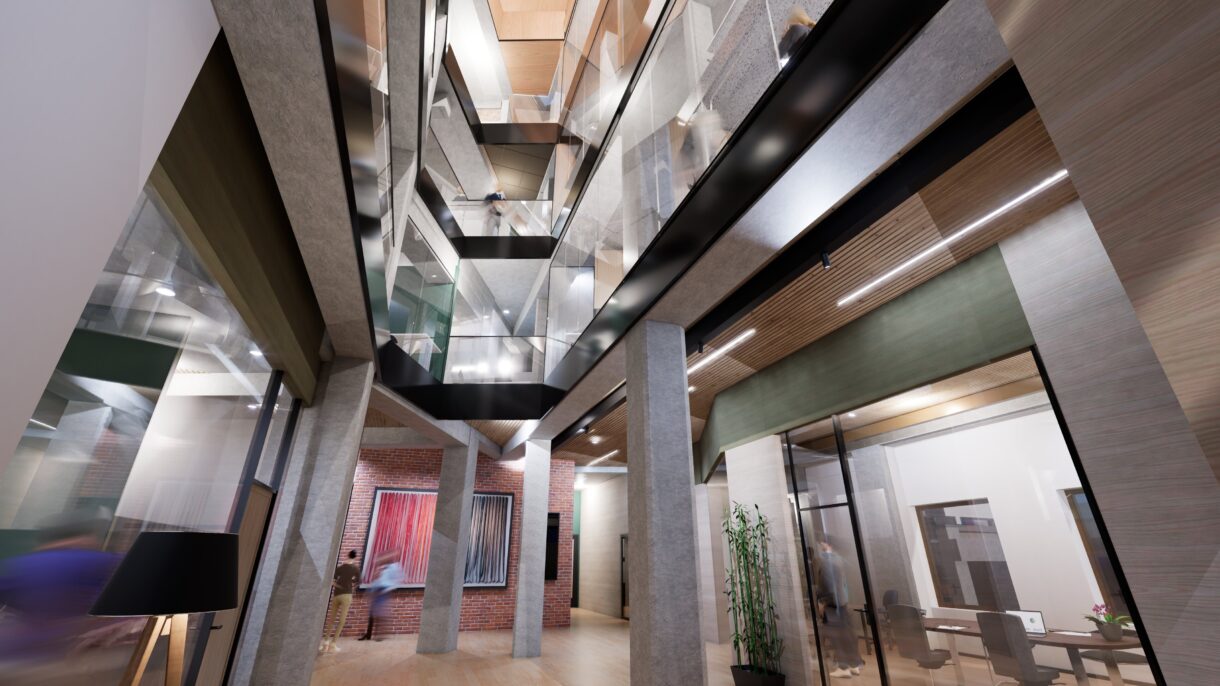
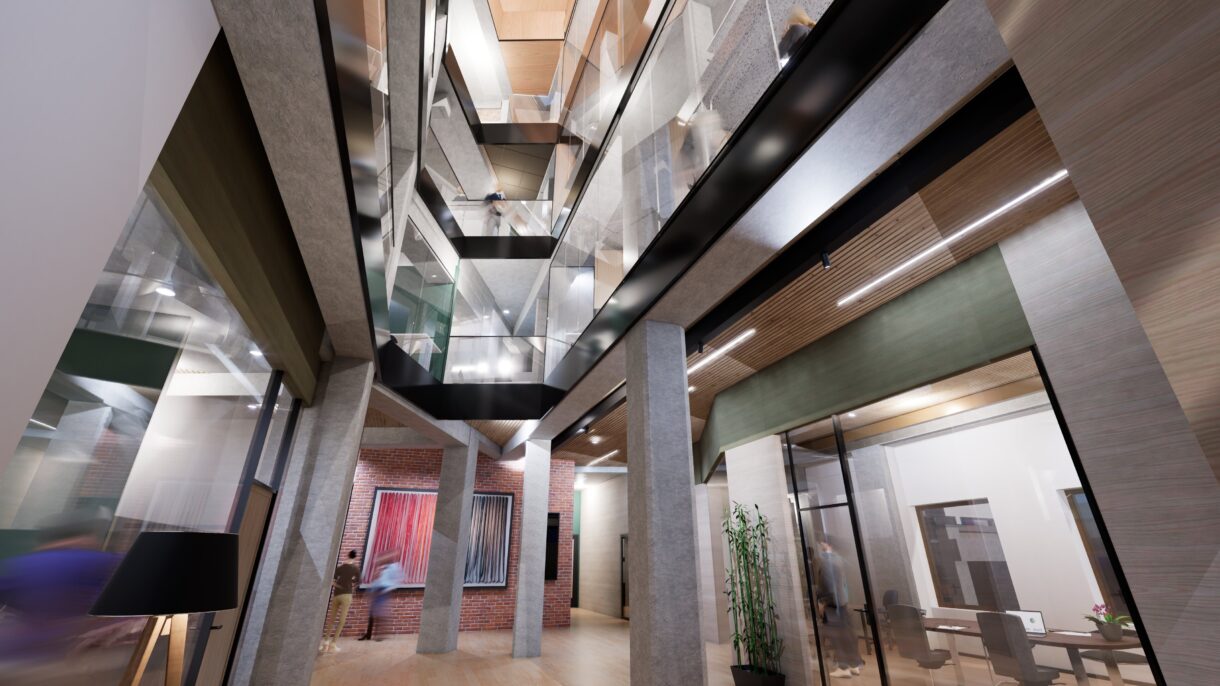
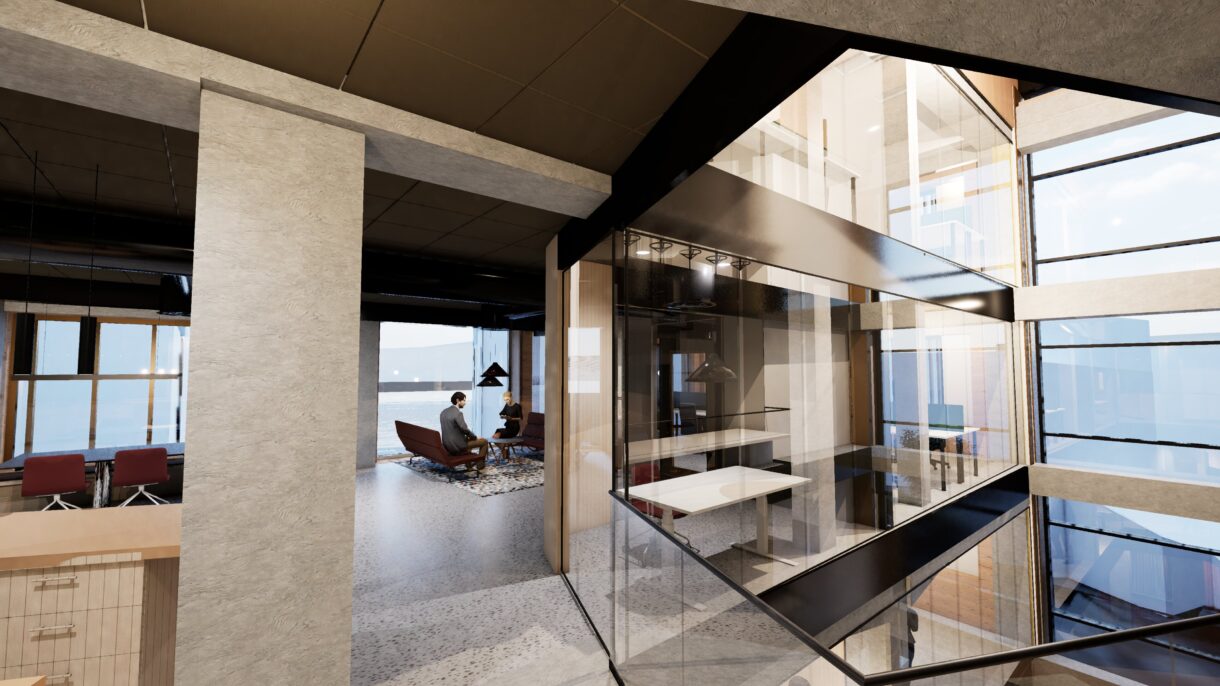
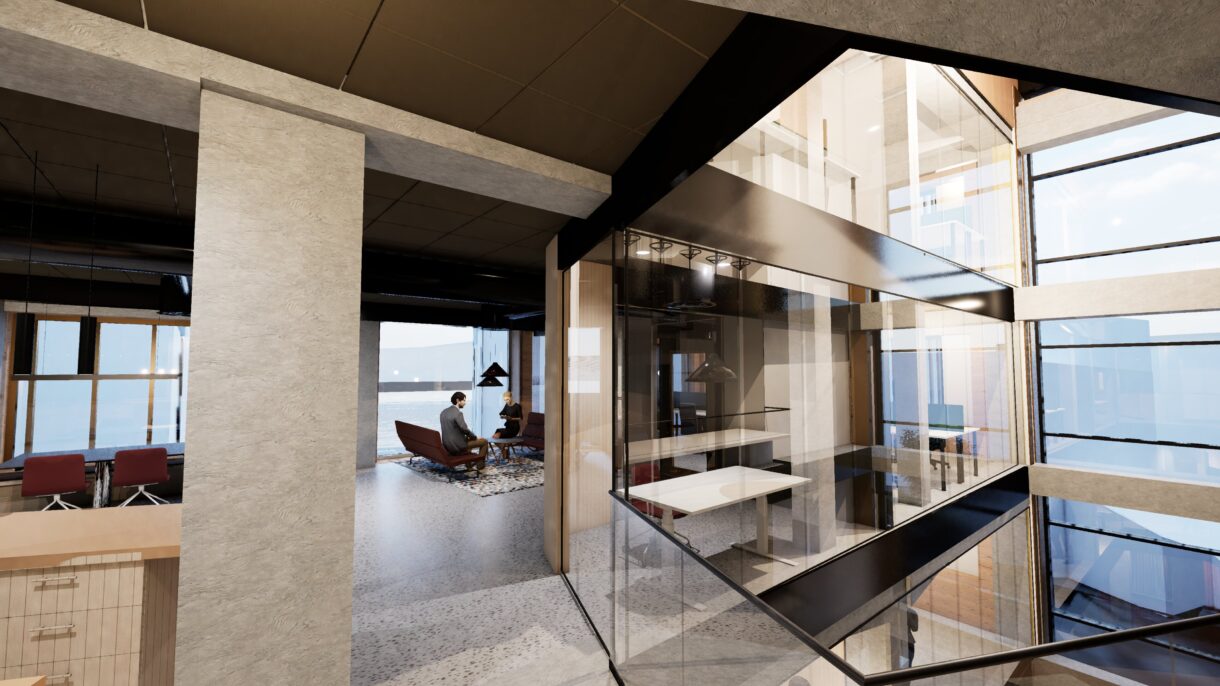
Føniks is an ambitious reuse project in the city of Bergen. The aim is to explore the potential for large-scale reuse and to investigate how close to 100 per cent reuse can feasibly be achieved.
Developer
Frydenbø Eiendom AS
Municipality
Bergen
Architect
Artec
Environmental advisor
Skala
Circularity Advisor
Frydenbø Marina
Phase
Building framework application and construction start permit approved
Project description
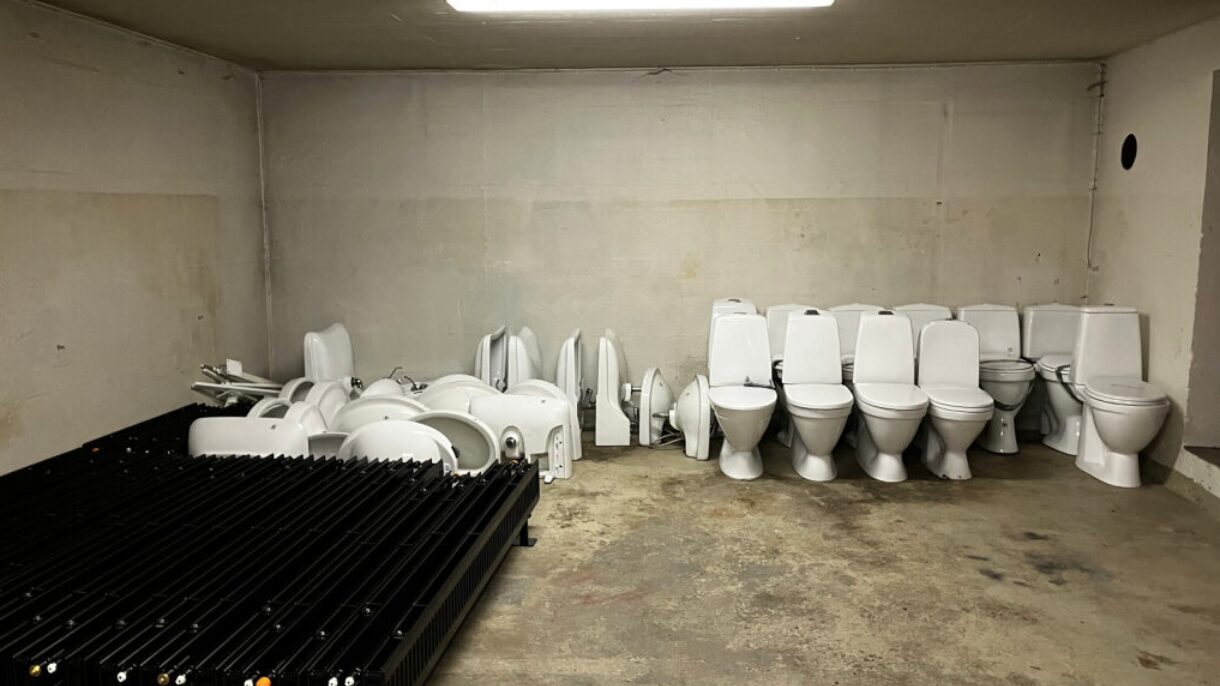
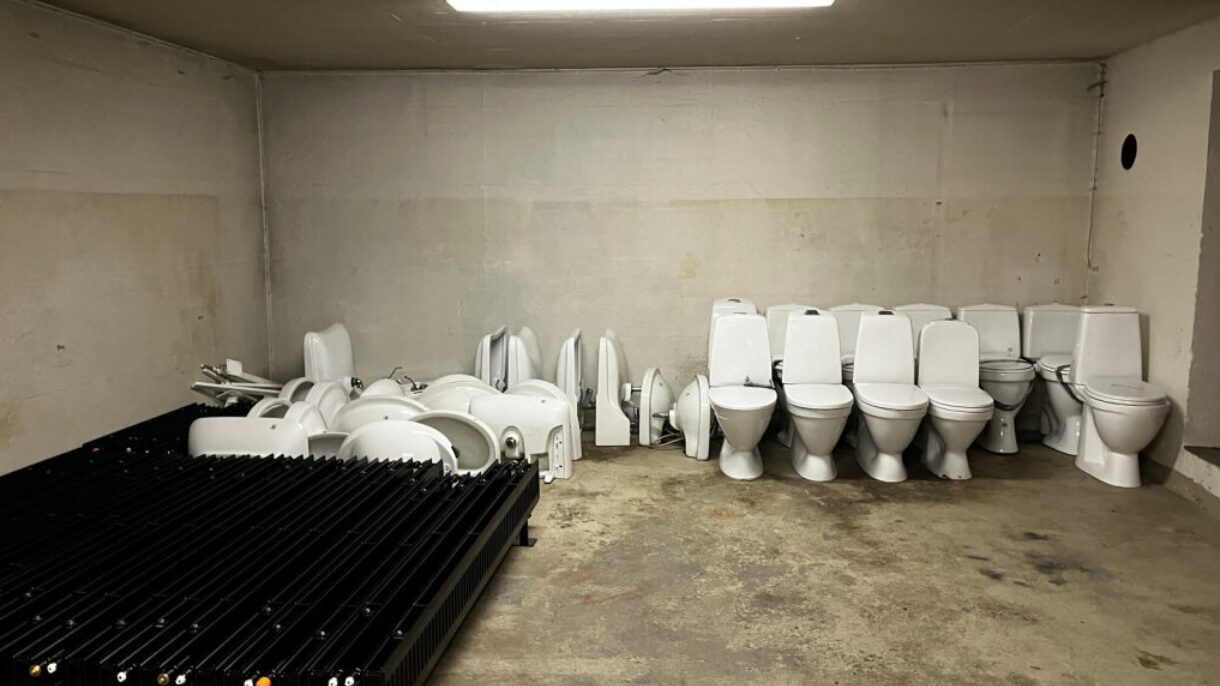
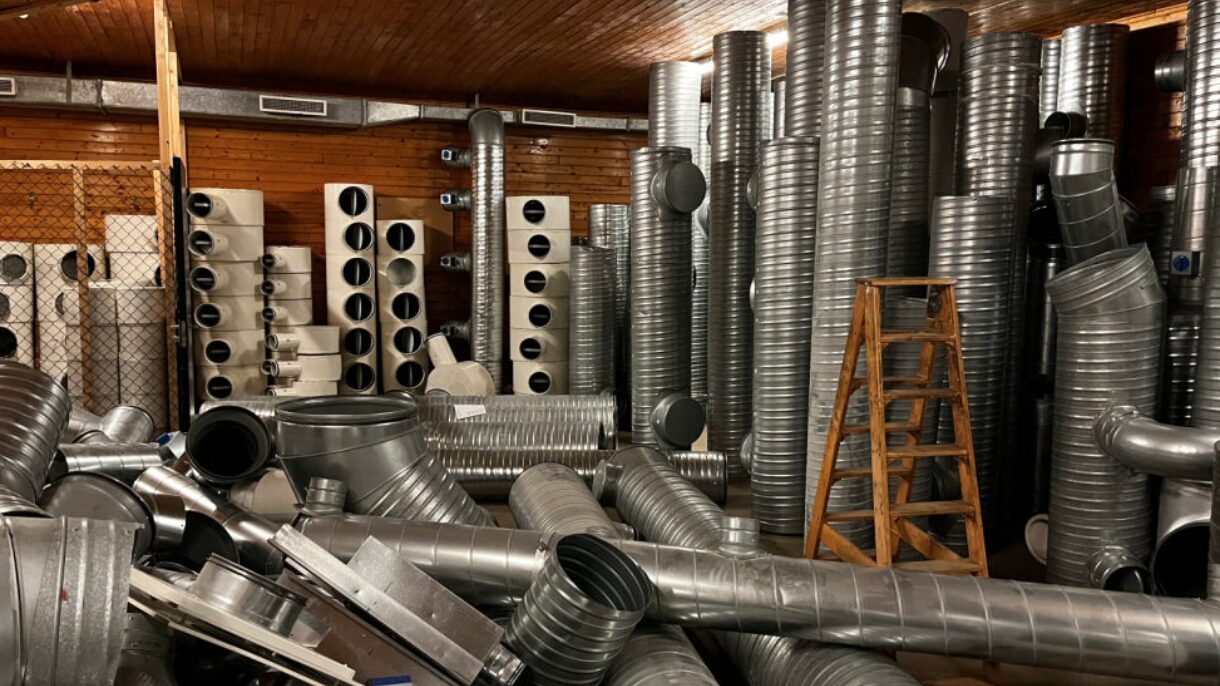
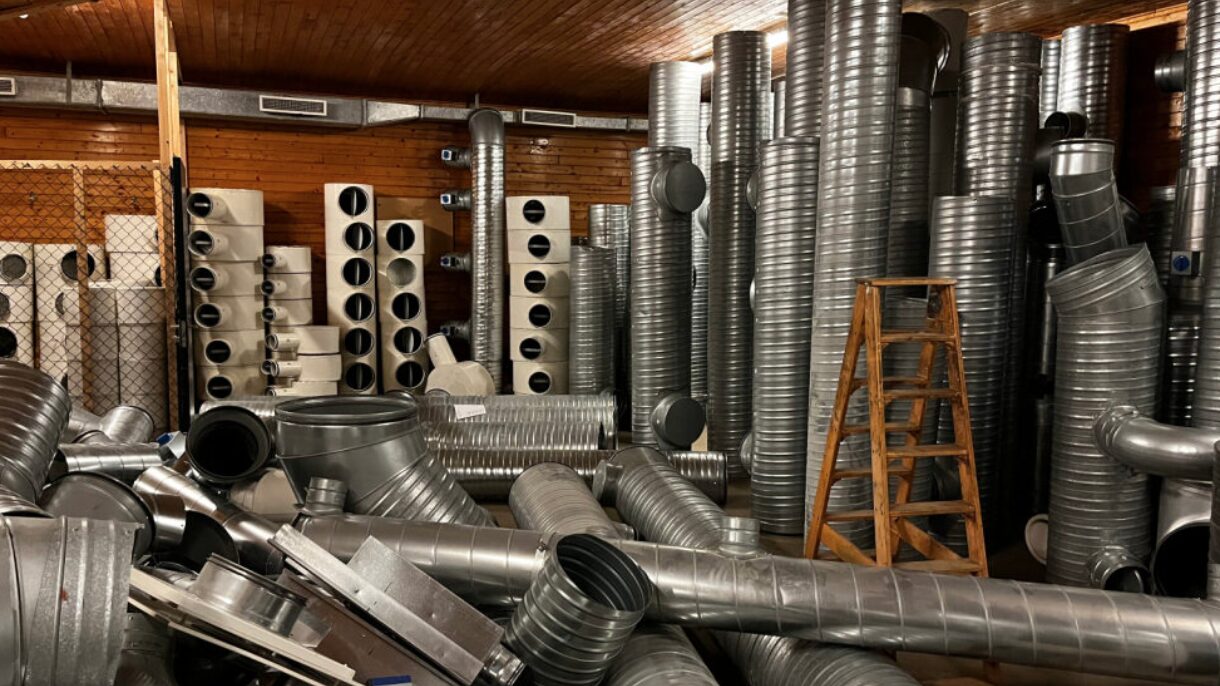
Føniks is an existing office building located between several Frydenbø properties in a business cluster at Damsgård in Bergen. The building is small and compact with a concrete column cover structure and is a good starting point to become a FutureBuilt pilot project. Over time, the developer Frydenbø has been collecting “residual materials” after tenants moving in and out of the building, with subsequent remodeling as a result. Extensive registration has been initiated in the Loopfront database to map and make the collected components available.
The pilot project deals with the handling of materials, dismantling and interim storage – processes that are not currently systematized and which are often so costly that reuse is not profitable and therefore not chosen.
With this pilot project, Frydenbø wants to explore the possibilities for large-scale reuse and gain valuable experience that can be passed on to future initiatives. In the long term, the goal is to contribute to an open marketplace and a level of knowledge among players in the construction industry that makes reuse a matter of course.
Conclusion from the greenhouse gas report carried out in connection with the feasibility study:
Calculations show that regular rehabilitation, compared to new construction, reduces the climate footprint from materials by 49 per cent. The footprint from energy use increases by 21 perc ent, while the overall climate footprint is reduced by 11 per cent. With the ambitions for reuse in the Føniks-project and the energy solutions envisaged (seawater heating/cooling, solar panels), calculations show a reduction in the climate footprint from materials (reuse) by 89 per cent and a reduction in the climate footprint from energy in operation by 15 per cent. Overall, the climate footprint is reduced by 51 per cent.
Translated with help from DeepL.com (free version).