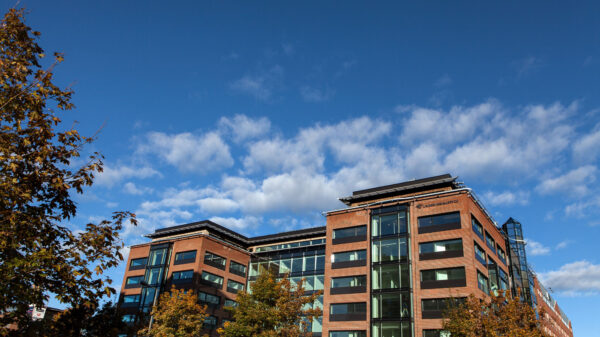
The rehabilitation of this office building from the 1980´s has halved greenhouse gas emissions through the retention of the existing structure and most of the façade, the use of climate-friendly materials and energy efficient solutions.
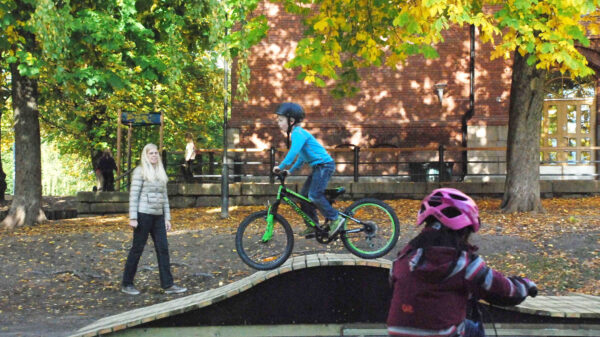
Bicycle parks will give children exiting park play areas and contribute to building a new cycling culture amongst young people.
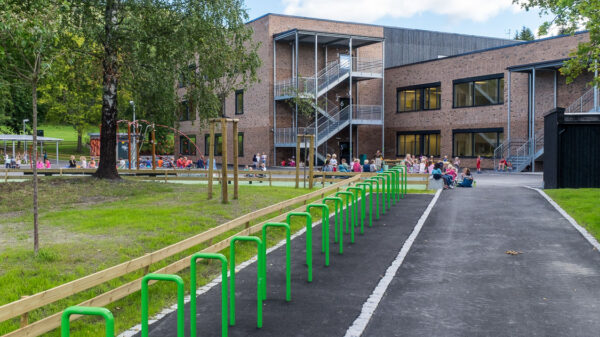
A solar thermal system and drilled wells with seasonal re-stocking reduces the need for delivered energy. Frydenhaug School has a strong focus on universal design.
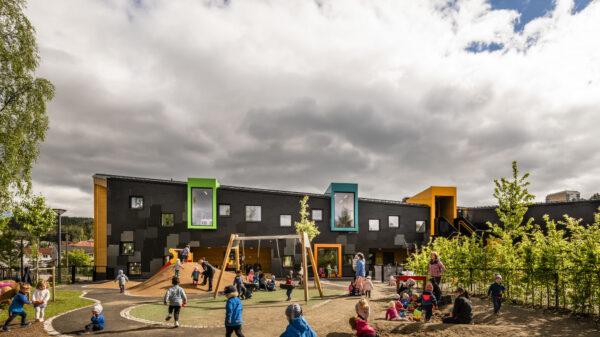
The passive house school Rykkinn has good daylight conditions in all rooms, and a variety of outdoor spaces facilitate outdoor teaching.
A former brick factory is being transformed into housing and commerce with local identity and sustainability.
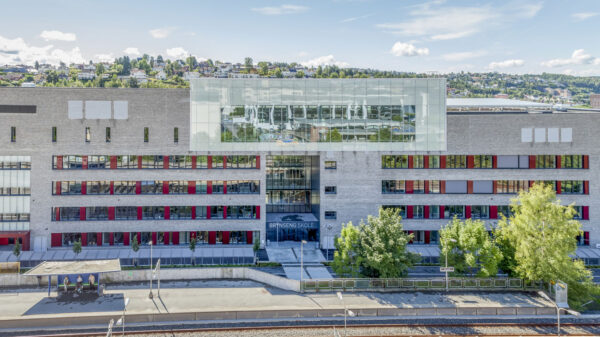
Brynseng School has a 1000m2 building-integrated solar façade and is Oslo’s first near zero energy building (nNEB definition).
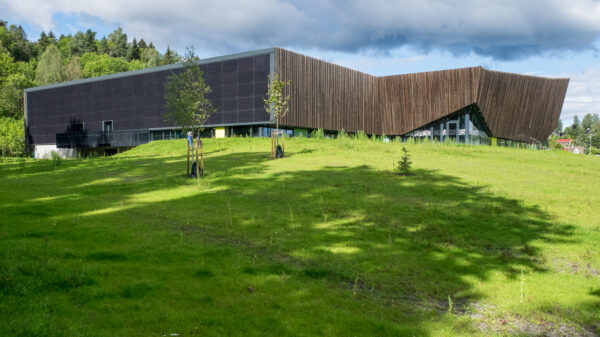
By combining technical solutions Asker has built the swimming pool facilities of the future. Holmen swimming pool is not only saving electricity – photovoltaics also ensures production of electricity.
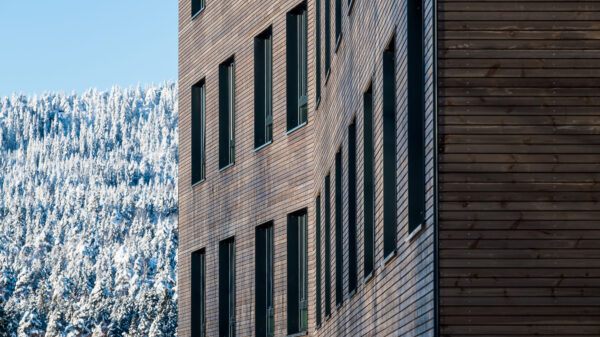
The Kringsjå student village in Oslo is expanding. The first building phase was completed in the spring of 2018 and consists of two buildings that are close to zero energy with up to 11 storeys in cross laminated timber.
Plushouse kindergarten where solar panels are an integrated part of the architecture.